SYDNEY, May 14, 2026 /PRNewswire/ -- Leading Australian cancer care provider, GenesisCare, is pleased to be collaborating with SeeTreat to enable suitable cancer patients access to the latest technology in offline adaptive treatment assessment. SeeTreat's ART.1 software will be rolled out at GenesisCare from July 2026 to support automated, adaptive treatment evaluation for eligible patients.
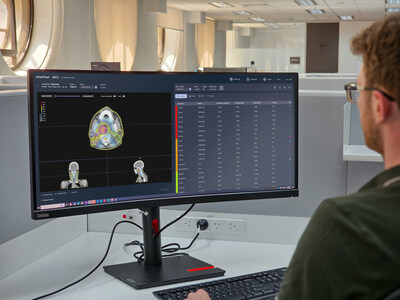
GenesisCare Chief Medical Officer, Dr Marcus Dreosti, explains that "whilst radiation treatment is proven to be a safe and highly effective cancer treatment, unwanted toxicities and side effects can occur due to changes in a patient's anatomy over the course of treatment. Optimising treatment post commencement, called 'adaptive radiotherapy', is labour intensive and complex. We're excited that through this collaboration with SeeTreat, we now have the opportunity to make adaptive radiotherapy more accessible for patients across our Australian network."
GenesisCare's decision to implement the SeeTreat ART.1 tool follows a multidisciplinary study of the software on 64 head and neck, breast, and prostate cancer patients treated on their mixed vendor linac platform assessing accuracy, efficiency and patient impact. The study showed significant potential benefits to standardising and scaling adaptive workflows, providing actionable insights to clinicians when they need it.
Radiation Oncologist, Dr Melanie Jackson, shares: "ART.1 is proving to be an easy-to-use tool to help me identify which of my patients would benefit from a new treatment plan and when this is optimal. The efficiency of the software and personalisation of care ensures we match our clinical team's effort and valuable resource time to achieve the best possible patient outcomes."
SeeTreat CEO and Founder, Dr Trang Nguyen said "GenesisCare is a truly patient-centric and innovative organisation with passionate doctors and clinical staff constantly striving to deliver the best care possible. Working with the GenesisCare team is a pleasure and we're proud to be collaborating with the group."
SeeTreat's ART.1 software has UKCA mark, CE mark, Australian ARTG registration and is FDA pending.
About SeeTreat
SeeTreat is doctor backed, physics led, software medical device company founded in 2023, led by Dr Trang Nguyen, Antonia Dalton and Professor Paul Keall. Our vision is to reduce the burden of cancer through broadly accessible software technology improving quality and accuracy of treatment. SeeTreat is a global company with a current install base in the UK, Europe, USA and Australia.
For more information visit https://www.seetreatmedical.com/ and follow SeeTreat on LinkedIn https://www.linkedin.com/company/seetreat-medical
About GenesisCare
GenesisCare is a proudly Australian-run cancer care provider, specialising in radiation therapy with a growing footprint in medical oncology, theranostics and personalised medicine. Our relentless pursuit for better care is reflected in our advanced treatment techniques, technology and contemporary service experience.
Our dedicated research team partners globally to be first movers in bringing clinical innovations to patients close to home.
Over 35,000 people a year entrust us with their care across more than 50 locations nationally.
Photo - https://mma.prnewswire.com/media/2978722/Supporting_Image.jpg
 View original content:https://www.prnewswire.co.uk/news-releases/genesiscare-and-seetreat-to-bring-personalised-offline-adaptive-monitoring-to-more-than-40-radiation-oncology-centres-across-australia-302770327.html

Der Bundesrat verschärft im Streit um das Frühfranzösisch den Ton und greift zu einem bundesrechtlichen Instrument. Alle Primarschülerinnen und Primarschüler in der Schweiz sollen künftig zwingend eine zweite Landessprache lernen. Um dieses Ziel durchzusetzen, hat die Landesregierung eine Revision des Sprachengesetzes in die Vernehmlassung geschickt. Sie reagiert damit auf Vorstösse in mehreren deutschsprachigen Kantonen, Französisch aus den Stundenplänen der Primarschule zu streichen.
Im Zentrum steht die Frage, welche Rolle die Landessprachen im obligatorischen Unterricht spielen sollen. Für den Bundesrat ist dies eine «Frage von nationaler Bedeutung». Die Bundesverfassung verpflichte Bund und Kantone gemeinsam, die Landessprachen zu erhalten, die Verständigung zwischen den Sprachgemeinschaften zu stärken und nationale Minderheiten zu schützen, hält die Regierung fest. Der Bund sehe sich damit in der Verantwortung, den Zusammenhalt zwischen den Sprachregionen und den Respekt vor der sprachlichen Vielfalt zu sichern, während die Kantone ihr Schulwesen so zu harmonisieren hätten, dass Qualität und Durchlässigkeit des Bildungsraums Schweiz gewahrt bleiben.
Der Konflikt entzündet sich an der 2004 beschlossenen Sprachenstrategie der Kantone, die 2009 im HarmoS-Konkordat verankert wurde. Diese sieht vor, dass Kinder in der Primarschule zwei Fremdsprachen erlernen – darunter eine zweite Landessprache. In einzelnen Kantonen gibt es inzwischen Bestrebungen, den Unterricht einer Landessprache als Fremdsprache auf der Primarstufe zu streichen. Das widerspreche der gemeinsamen Strategie, schreibt der Bundesrat und zeigt sich über diese Entwicklung «beunruhigt».
Um gegenzusteuern, legt die Regierung zwei Varianten für eine Gesetzesänderung vor. Die erste folgt dem HarmoS-Modell: In der Primarschule sollen obligatorisch zwei Fremdsprachen unterrichtet werden, eine Landessprache und Englisch. Damit würde die heutige Praxis in den 15 HarmoS-Kantonen bundesrechtlich abgesichert und für alle gelten, sollte es nötig werden. Die zweite Variante lässt den Kantonen mehr Spielraum: Sie verpflichtet lediglich dazu, dass eine zweite Landessprache spätestens ab der Primarschule und durchgehend bis zum Ende der obligatorischen Schulzeit unterrichtet wird, ohne Englisch explizit als zweite Fremdsprache vorzuschreiben.
Mit der Revision will der Bundesrat den Rahmen abstecken für den Fall, dass die Kantone ihre Sprachenstrategie ganz oder teilweise aufgeben. Konkrete Entscheide sind noch offen: Zunächst läuft bis zum 5. Oktober 2026 eine Vernehmlassung, in der Kantone, Parteien und weitere Akteure Stellung beziehen können. Erst danach wird sich zeigen, ob sich das strengere HarmoS-Modell oder die flexibelere Lösung durchsetzt – und wie viel Gewicht der Bund seiner sprachpolitischen Rolle im Schulbereich tatsächlich geben will.