NEW YORK, July 22, 2026 /PRNewswire/ -- B&R Technology Merger Corp. (the "Company") announced today the closing of its initial public offering of 32,500,000 units. The offering was priced at $10.00 per unit, resulting in gross proceeds of $325,000,000.
The Company's units began trading on July 21, 2026 on the Nasdaq Global Market ("Nasdaq") under the ticker symbol "BRTMU". Each unit consists of one Class A ordinary share of the Company and one-third of one redeemable warrant, with each whole warrant entitling the holder thereof to purchase one Class A ordinary share of the Company at an exercise price of $11.50 per share. Once the securities constituting the units begin separate trading, the Class A ordinary shares and warrants are expected to be listed on Nasdaq under the symbols "BRTM" and "BRTMW," respectively.
Of the proceeds received from the consummation of the initial public offering and a simultaneous private placement of units, $325,000,000 (or $10.00 per unit sold in the public offering) was placed in trust.
The Company was formed for the purpose of effecting a merger, amalgamation, share exchange, asset acquisition, share purchase, reorganization or similar business combination with one or more businesses. The Company may pursue an initial business combination in any business or industry but expect to focus on a technology growth company that has artificial intelligence ("AI") tailwinds where it believes its management team and founders' expertise will provide it with a competitive advantage. The Company's management team is led by David York, its Chief Executive Officer and Chairman of the Board of Directors (the "Board"), Clark N. Callander, its President, Chief Financial Officer and Director, and Steven C. Fletcher, its Chief Operating Officer and Director. The Board also includes Jeff Clarke, Raymond Bingham, David Golden and Renée E. LaBran.
Citigroup acted as sole book-running manager for the offering. The Company has granted the underwriter a 45-day option to purchase up to 4,875,000 additional units at the initial public offering price to cover over-allotments, if any.
The offering was made by means of a prospectus. Copies of the prospectus may be obtained from Citigroup, c/o Broadridge Financial Solutions, 1155 Long Island Avenue, Edgewood, NY 11717 (Tel: 800-831-9146), or by accessing the SEC's website at www.sec.gov.
The registration statement relating to the securities were declared effective by the U.S. Securities and Exchange Commission (the "SEC") on July 20, 2026. This press release shall not constitute an offer to sell or the solicitation of an offer to buy, nor shall there be any sale of these securities in any state or jurisdiction in which such offer, solicitation, or sale would be unlawful prior to registration or qualification under the securities laws of any such state or jurisdiction.
FORWARD-LOOKING STATEMENTS
This press release contains statements that constitute "forward-looking statements," including with respect to the anticipated use of the net proceeds thereof. No assurance can be given that the net proceeds of the offering will be used as indicated. Forward-looking statements are subject to numerous conditions, many of which are beyond the control of the Company, including those set forth in the Risk Factors section of the Company's registration statement and preliminary prospectus for the Company's offering filed with the SEC. Copies are available on the SEC's website, www.sec.gov. The Company undertakes no obligation to update these statements for revisions or changes after the date of this release, except as required by law.
Company Contact:
David York,
Clark Callander
Steve Fletcheoff
B&R Technology Merger Corp.
info@bandrtechnology.com
 View original content:https://www.prnewswire.co.uk/news-releases/br-technology-merger-corp-completes-325-million-initial-public-offering-302832586.html

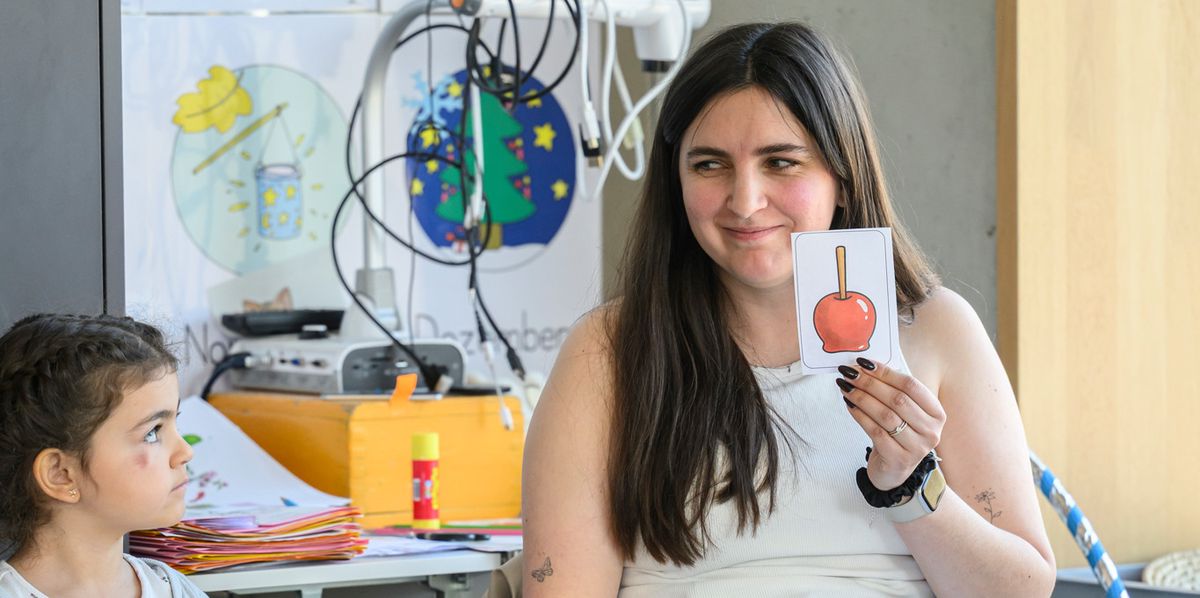
Der Bundesrat verschärft im Streit um das Frühfranzösisch den Ton und greift zu einem bundesrechtlichen Instrument. Alle Primarschülerinnen und Primarschüler in der Schweiz sollen künftig zwingend eine zweite Landessprache lernen. Um dieses Ziel durchzusetzen, hat die Landesregierung eine Revision des Sprachengesetzes in die Vernehmlassung geschickt. Sie reagiert damit auf Vorstösse in mehreren deutschsprachigen Kantonen, Französisch aus den Stundenplänen der Primarschule zu streichen.
Im Zentrum steht die Frage, welche Rolle die Landessprachen im obligatorischen Unterricht spielen sollen. Für den Bundesrat ist dies eine «Frage von nationaler Bedeutung». Die Bundesverfassung verpflichte Bund und Kantone gemeinsam, die Landessprachen zu erhalten, die Verständigung zwischen den Sprachgemeinschaften zu stärken und nationale Minderheiten zu schützen, hält die Regierung fest. Der Bund sehe sich damit in der Verantwortung, den Zusammenhalt zwischen den Sprachregionen und den Respekt vor der sprachlichen Vielfalt zu sichern, während die Kantone ihr Schulwesen so zu harmonisieren hätten, dass Qualität und Durchlässigkeit des Bildungsraums Schweiz gewahrt bleiben.
Der Konflikt entzündet sich an der 2004 beschlossenen Sprachenstrategie der Kantone, die 2009 im HarmoS-Konkordat verankert wurde. Diese sieht vor, dass Kinder in der Primarschule zwei Fremdsprachen erlernen – darunter eine zweite Landessprache. In einzelnen Kantonen gibt es inzwischen Bestrebungen, den Unterricht einer Landessprache als Fremdsprache auf der Primarstufe zu streichen. Das widerspreche der gemeinsamen Strategie, schreibt der Bundesrat und zeigt sich über diese Entwicklung «beunruhigt».
Um gegenzusteuern, legt die Regierung zwei Varianten für eine Gesetzesänderung vor. Die erste folgt dem HarmoS-Modell: In der Primarschule sollen obligatorisch zwei Fremdsprachen unterrichtet werden, eine Landessprache und Englisch. Damit würde die heutige Praxis in den 15 HarmoS-Kantonen bundesrechtlich abgesichert und für alle gelten, sollte es nötig werden. Die zweite Variante lässt den Kantonen mehr Spielraum: Sie verpflichtet lediglich dazu, dass eine zweite Landessprache spätestens ab der Primarschule und durchgehend bis zum Ende der obligatorischen Schulzeit unterrichtet wird, ohne Englisch explizit als zweite Fremdsprache vorzuschreiben.
Mit der Revision will der Bundesrat den Rahmen abstecken für den Fall, dass die Kantone ihre Sprachenstrategie ganz oder teilweise aufgeben. Konkrete Entscheide sind noch offen: Zunächst läuft bis zum 5. Oktober 2026 eine Vernehmlassung, in der Kantone, Parteien und weitere Akteure Stellung beziehen können. Erst danach wird sich zeigen, ob sich das strengere HarmoS-Modell oder die flexibelere Lösung durchsetzt – und wie viel Gewicht der Bund seiner sprachpolitischen Rolle im Schulbereich tatsächlich geben will.