PRAGUE, March 16, 2026 /PRNewswire/ -- Zentiva today publishes its 2025 Sustainability Report, presenting another year of progress in public health impact, environmental stewardship and responsible business practices.

In 2025, Zentiva demonstrated once again that business growth and environmental responsibility can go hand in hand, cutting emissions by 10 percent across its own operations (Scope 1 & 2 emissions) while increasing net sales and EBITDA.
The Science Based Targets initiative (SBTi) validated Zentiva's near-term and long-term targets - including a 63% reduction of Scope 1, 2 and 3 emissions by 2034, and net–zero by 2050.
Key achievements in 2025 include:
Zentiva received a Gold medal from EcoVadis, positioning the Sustainability program in the top 2% of the pharmaceutical industry. We were also pleased to receive a Transparency Award 2025 from EUPD Group for our sustainability reporting and communication.
"As one of Europe's leading manufacturers of off–patent medicines, we carry a responsibility to support public-health systems while reducing our impact on the planet" said Steffen Saltofte, CEO, Zentiva. "Every day, millions of people rely on the affordability, availability and accessibility of the medicines we produce and deliver."
"Zentiva's Sustainability Report illustrates how our daily actions contribute to healthier communities and a healthier environment. Protecting people and the planet goes hand in hand. Sustainability is a continuous commitment we need to embrace every day, in everything we do," added Ines Windisch, Head of Corporate Affairs & Sustainability.
As a leading provider and manufacturer of off–patent medicines in Europe, Zentiva plays a critical role in ensuring that people across the continent can access the high–quality and affordable medicines they depend on every day. Off–patent medicines represent roughly 70% of all dispensed medicines, yet only 19% of pharmaceutical spending, making them essential to the affordability and sustainability of public–health systems (IQVIA, 2024).
Zentiva continues to invest in its manufacturing footprint and sustainability strategy to ensure patients have consistent access to medicines - today and in the future.
The Zentiva 2025 Sustainability Report is available at www.zentiva.com/sustainability
About Zentiva
Zentiva provides health and wellbeing for all generations, with focus on developing, producing, and delivering high-quality, affordable medicines to more than 100 million people in over 40 countries across Europe. Zentiva has four manufacturing sites and a broad network of external manufacturing partners to ensure supply security. Zentiva employs more than 5,400 unique talents in over 30 countries, bonded together by a commitment to the people who depend on our products every day. Visit us at www.zentiva.com.
Logo - https://mma.prnewswire.com/media/2660891/5411039/Zentiva_Logo.jpg

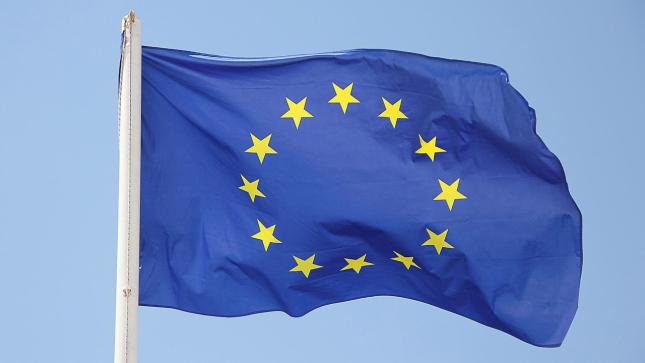
Die europäischen Aktienmärkte sind zum Wochenschluss von geopolitischen Spannungen und stark schwankenden Ölpreisen dominiert worden. Der EuroStoxx 50 schloss am Freitag 0,56 Prozent tiefer bei 5.716,61 Punkten, nachdem der Leitindex der Eurozone im Tagesverlauf zwischen moderaten Gewinnen und Verlusten gependelt hatte. Auch die Vorgaben der schwächelnden US-Börsen trugen dazu bei, dass sich zum Handelsschluss die skeptische Grundhaltung durchsetzte. Auf Wochensicht resultiert damit nach bereits deutlichen Verlusten in der Vorwoche ein geringfügiges Minus.
Außerhalb der Eurozone zeigte sich ein ähnliches Bild: Der britische Leitindex FTSE 100 fiel um 0,43 Prozent auf 10.261,15 Punkte, der Schweizer SMI gab leicht auf 12.839,27 Zähler nach. Marktteilnehmer verwiesen auf eine spürbare Nervosität vor dem Wochenende. Die Volatilität an den Rohölmärkten und an den Börsen spiegelte die Unsicherheit darüber wider, wie sich der Iran-Krieg und die Situation an der strategisch wichtigen Straße von Hormus in den kommenden Tagen entwickeln werden.
Auslöser der Nervosität ist die Kombination aus anhaltend hohen Ölpreisen und der Zuspitzung des Konflikts. Die USA sehen sich nach eigenen Angaben im Iran-Krieg weiter auf dem Weg zum Erfolg. US-Verteidigungsminister Pete Hegseth sprach am 13. Kriegstag von Angriffen auf dem bislang höchsten Niveau und davon, dass die militärische Infrastruktur der Islamischen Republik zum Bau ballistischer Raketen weitgehend zerstört sei. Marktbeobachter wie Rhynhardt Roodt von Ninety One betonen jedoch, dass Investoren zunehmend das Risiko eines länger andauernden Konflikts einpreisen, der Europa und Asien stärker treffen könnte als die USA.
Im Zentrum der Sorgen steht die Straße von Hormus, durch die ein wesentlicher Teil der globalen Ölexporte fließt. Fachleute der US-Investmentbank Goldman Sachs warnen, dass die Ölpreise über die Höchststände der Finanzkrise 2008 hinaus steigen könnten, sollten die Lieferungen über diese Route den gesamten März hindurch eingeschränkt bleiben. Bei einem Ölpreis von dauerhaft über 100 US-Dollar seien die bisherigen Inflationserwartungen nach Einschätzung von Experten vermutlich zu niedrig, insbesondere mit Blick auf die konjunkturelle Verwundbarkeit Europas.
Auf Sektorebene schlug sich das Umfeld in einer deutlichen Rotation nieder. Besonders konjunktursensitive Branchen standen europaweit unter Druck. Rohstofftitel gerieten auffällig ins Minus, während der Reise- und Luftfahrtsektor wegen der steigenden Kerosinkosten erneut gemieden wurde. Aktien von Air France-KLM verloren mehr als drei Prozent. Dagegen profitierten Ölwerte von den höheren Preisen und legten abermals zu. Einzelwertseitig fielen die Papiere von BE Semiconductor mit einem Kursanstieg von 5,6 Prozent auf, getrieben von Übernahmespekulationen – ein Kontrastpunkt in einem insgesamt von Unsicherheit geprägten Marktumfeld.